
Women Empowerment in Pakistan: A Path Toward Progress and Equality
Women empowerment in Pakistan is essential for social progress, economic growth, and national development.
About the Project
Women Empowerment in Pakistan: A Path Toward Progress and Equality
Women empowerment in Pakistan is essential for social progress, economic growth, and national development. Despite significant contributions in various fields, many women still face challenges such as limited access to education, restricted employment opportunities, gender inequality, and social barriers. Empowering women means providing them with the rights, resources, and opportunities needed to make independent decisions and actively participate in society.
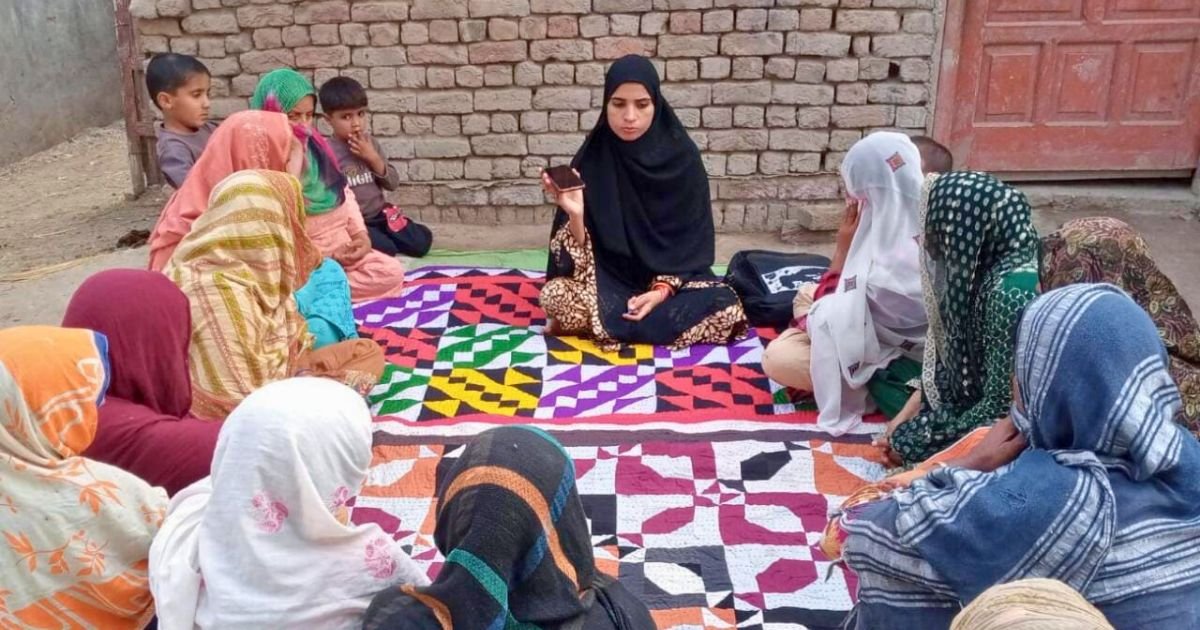
Welfare organizations play a crucial role in promoting women empowerment across Pakistan. Among the leading contributors, Alkhidmat Welfare Pakistan has launched various initiatives aimed at uplifting women, especially those from underprivileged backgrounds. These programs focus on education, skill development, healthcare, and financial independence, enabling women to improve their quality of life.
Education is the foundation of empowerment. By ensuring access to education for girls and women, society can break the cycle of poverty and ignorance. Welfare programs provide scholarships, literacy courses, and vocational training to help women gain knowledge and practical skills. Skills such as sewing, embroidery, digital literacy, and small business management enable women to earn a sustainable income and support their families.
Economic empowerment is another key aspect. Microfinance programs and small business support help women start their own enterprises, giving them financial independence and confidence. When women contribute economically, it not only improves household income but also strengthens the overall economy of the country.
In addition to financial and educational support, social awareness is critical. Many women face discrimination and lack awareness of their rights. Awareness campaigns, counseling services, and community engagement initiatives help women understand their rights and build self-confidence. Creating a supportive environment encourages women to participate in decision-making processes at both family and community levels.
Healthcare access is also an important component of women empowerment. Providing maternal care, health education, and medical facilities ensures the well-being of women and their families. Healthy women can contribute more effectively to society and raise healthier future generations.
To further enhance women empowerment in Pakistan, strong collaboration between government institutions, welfare organizations, and society is necessary. Policies promoting gender equality, increased investment in education, and protection of women’s rights can create lasting change.
In conclusion, women empowerment is not just a social need but a national priority. By supporting and uplifting women, Pakistan can unlock its full potential and move toward a more just, inclusive, and prosperous future.